
爱不占有,也不被占有
— 纪伯伦 《我的心只悲伤七次》
句子背景
源自纪伯伦散文诗集《我的心只悲伤七次》,以哲思笔触探讨爱的本质,主张爱应如流动的清风而非囚笼
展开全文...
完善
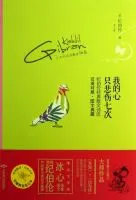
“当你感到迷茫时,这本书会像一位智者轻轻拍着你的肩膀说:"孩子,我懂"”
爱不占有,也不被占有
— 纪伯伦 《我的心只悲伤七次》
句子背景
源自纪伯伦散文诗集《我的心只悲伤七次》,以哲思笔触探讨爱的本质,主张爱应如流动的清风而非囚笼
The first time when I saw her being meek that she might attain height. The second time when I saw her limping before the crippled.
— 纪伯伦 《我的心只悲伤七次》
句子背景
源自黎巴嫩诗人纪伯伦的散文诗集《沙与沫》(中文译名《我的心只悲伤七次》),诗中通过七种人生场景探讨灵魂的成长与人性觉醒
The third time when she was given to choose between the hard and the easy, and she chose the easy.
— 纪伯伦 《我的心只悲伤七次》
句子背景
源自纪伯伦散文诗集《我的心只悲伤七次》中"第七重悲伤"篇章,描绘人类面对诱惑时选择舒适却背离真理的瞬间
我们常常从我们的明天预支了来偿付我们昨天的债务。
— 纪伯伦 《我的心只悲伤七次》
句子背景
源自纪伯伦散文诗集《沙与沫》中的篇章《我的心只悲伤七次》,诗人以东方哲思探讨人类与时间、债务和生命价值的关系
And the seventh time when she sang a song of praise, and deemed it a virtue.
— 纪伯伦 《我的心只悲伤七次》
句子背景
源自纪伯伦散文诗集《沙与沫》中"我的心只悲伤七次"章节,通过七种灵魂困境揭示人性矛盾,此句描写第七重悲哀——当人将违心的赞美曲解为美德时的自我蒙蔽
隐士是遗弃了一部分的世界,使他可以无惊无扰地享受着整个世界。
— 纪伯伦 《我的心只悲伤七次》
句子背景
源自纪伯伦散文诗集《我的心只悲伤七次》,这部作品通过哲思对话探讨生命、爱与孤独,展现诗人对世俗的超然态度
The sixth time when she despised the ugliness of a face, and knew not that it was one of her own masks.
— 纪伯伦 《我的心只悲伤七次》
句子背景
源自纪伯伦散文诗《我的心只悲伤七次》,通过七种灵魂的困境揭示人性矛盾,本句描写第六重悲伤——当人批判他人缺陷时,却未意识到那正是自我投射的阴影
The fourth time when she committed a wrong, and comforted herself that others also commit wrong.
— 纪伯伦 《我的心只悲伤七次》
句子背景
源自纪伯伦散文诗集《我的心只悲伤七次》中的"七宗悲伤"章节,该章节通过七个生活片段揭示人类自我欺骗的共性